

UAEMéx Joins the Helsinki Declaration on Multilingualism in Scholarly Communication

Within the framework of the International Mother Language Day, it is important to reflect on something essential: our native language.
The first language—the one we learn within the family, the one we hear from childhood—enables us to build our identity, recognize ourselves as part of a community, and understand the world through a shared history.
It is the language that carries the worldview of our ancestors, transmitting values, knowledge, and ways of relating to nature and to others. Mexico is one of the most linguistically diverse countries in the world. It officially recognizes:
National indigenous languages
Linguistic variants
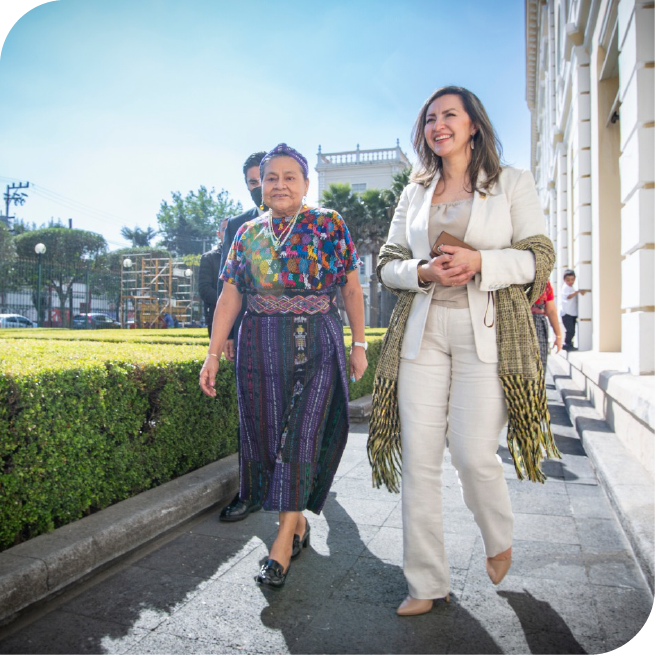
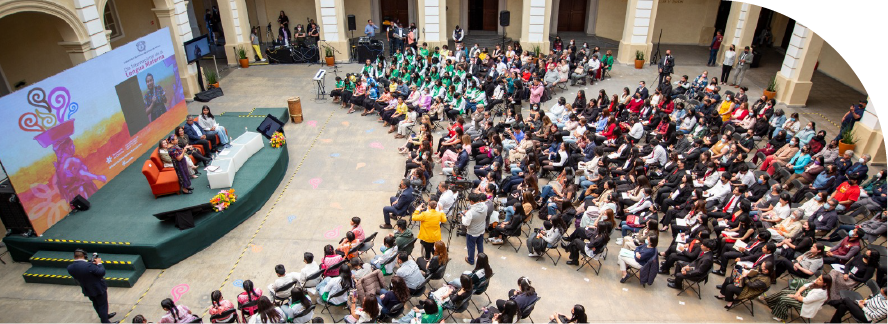
These are spoken by more than seven million people. Each of these languages represents a historical memory and a system of knowledge that has enabled entire communities to inhabit and care for their territories for centuries. However, many of them are currently at risk. As Miguel León-Portilla aptly stated, “When a language dies, humanity is diminished.”
Today, UAEMéx takes a significant step by signing the Helsinki Declaration on Multilingualism in Scholarly Communication. This signature represents an ethical stance against the traditional model of scholarly communication, which has privileged a single language and, in doing so, has limited the social reach of knowledge.
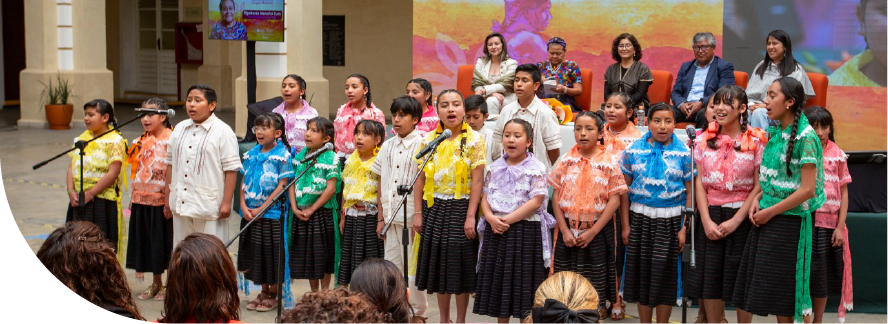
Science that is not communicated in the native language of its community can hardly transform it.
When knowledge is produced in a distant language, it becomes inaccessible to those who could benefit most from it: farmers facing climate change, communities protecting their biodiversity, and health promoters working in the field. By contrast, when science engages in the local language, it becomes a living tool—guiding decisions, strengthening knowledge systems, and driving solutions.
Multilingualism is not merely a matter of translation. It is the recognition that there are multiple legitimate ways of knowing the world. Ancestral knowledge, transmitted across generations in Indigenous languages, contains essential understandings of water, land, medicine, and coexistence that are crucial for addressing today’s global challenges.
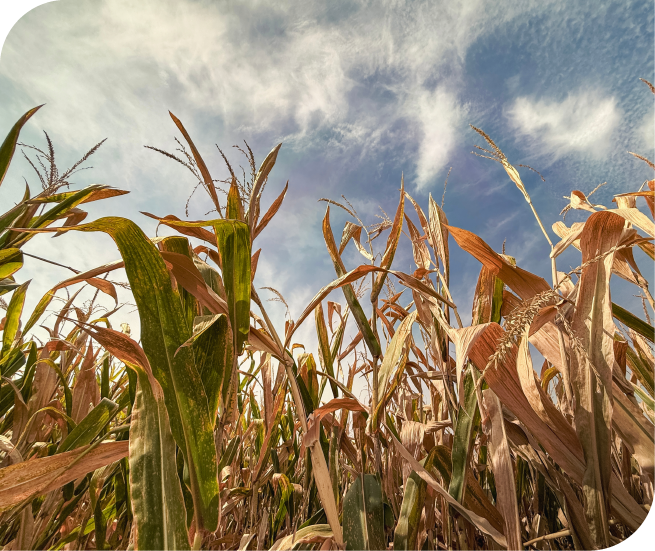
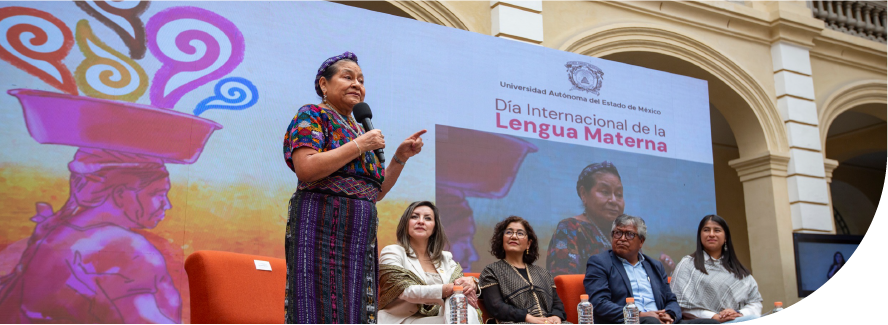
Integrating these knowledge systems into the Open Science model for Social Transformation at UAEMéx means placing the community at the center and recognizing that opening science is not only about granting access to results; it also involves opening it culturally and linguistically. It means ensuring that knowledge circulates in both directions: from academia to the community, and from the community to academia.
Social transformation does not occur in citation indexes; it occurs when communities can appropriate knowledge and turn it into action.
Science will only be truly transformative if it acts with respect. Respect for knowledge in all its forms—academic, community-based, and ancestral—and respect for all the languages through which that knowledge is expressed.
There are no lesser forms of knowledge or secondary languages. There are different ways of understanding reality, and all of them deserve to be part of the global conversation of science.


